My massage gun collection takes up half my closet, and my garage workbench has a graveyard of gadgets that died on the job. The one thing I keep coming back to, the thing I prescribe more than anything else, is a ~$30 piece of foam.
Related: How To Foam Roll Your Legs
You don't need a PhD to roll your back, but you do need to stop doing it wrong. Most of you are rolling your spine like it's a rolling pin on pizza dough, and you're wondering why you feel worse.
The foam roller is the best tool for back pain I've tested in 12 years as a PT, but only if you follow the 3-step protocol below and skip the 2 moves that are wrecking your spine.
Pros
- Two minutes a day genuinely releases the paraspinal muscles that desk work turns to concrete
- Costs ~$30 for a roller that will outlive your ~$600 massage gun
- The "no-touch" version of this protocol is the only thing that gets into my mid-back, a spot my Theragun Pro can't even reach
Cons
- Roll your lumbar spine directly and you're compressing discs that are already angry
- The cheap rollers (under ~$20) go flat in 3 months. I've seen it a hundred times
- One wrong move, the neck roll, can actually trigger a spasm that puts you on the floor
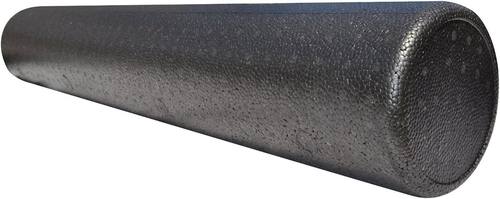
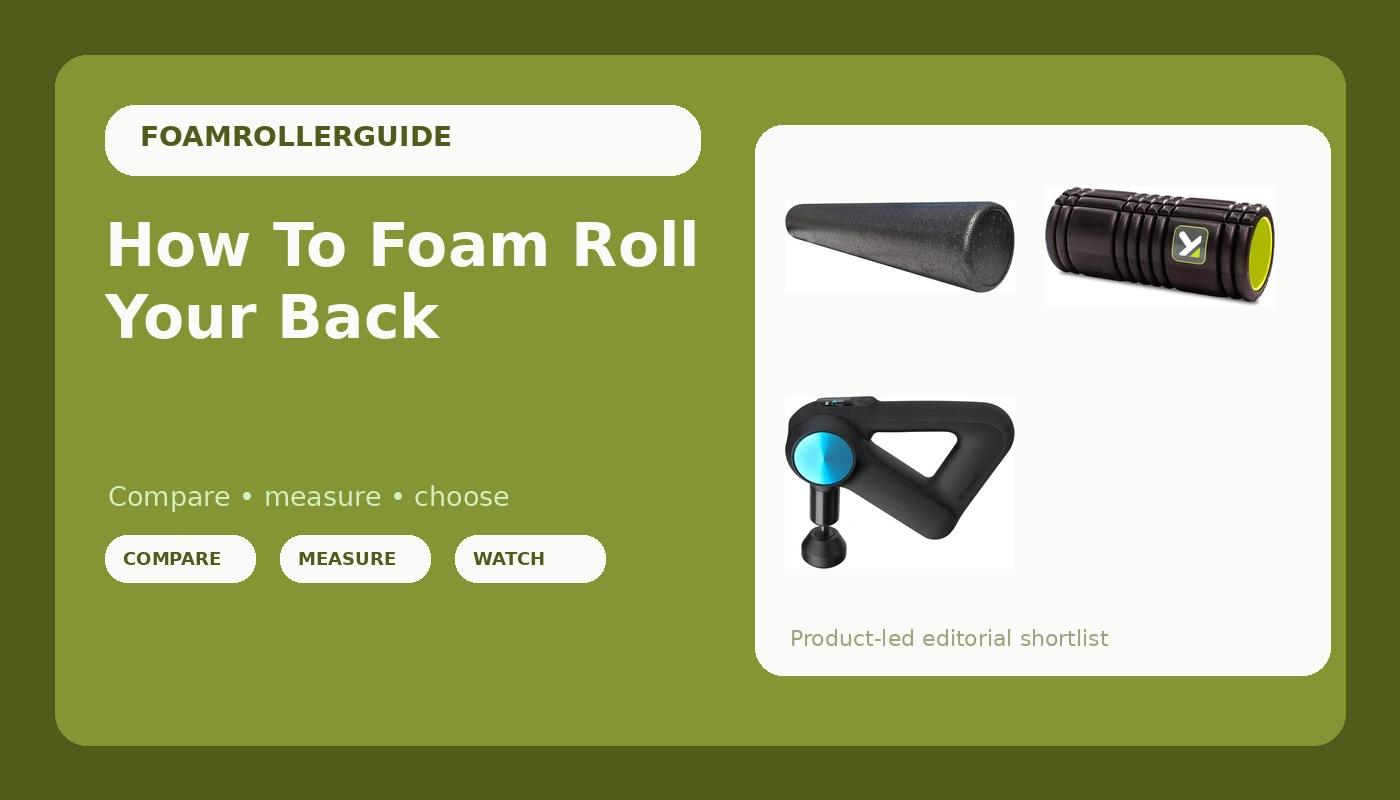
LuxFit High Density Foam Roller 6x36 Inch Extra Firm Round Exercise Roller Black
Same density as TriggerPoint for half the price. My 2-year-old one is still firm. Gus the lab...
Visit on Amazon →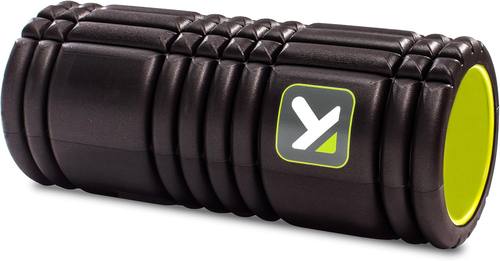
TriggerPoint GRID Foam Roller for Exercise, Deep Tissue Massage and Muscle Recovery, Original (13-Inch)
The texture is great for the thoracic spine, I'll admit it
Visit on Amazon →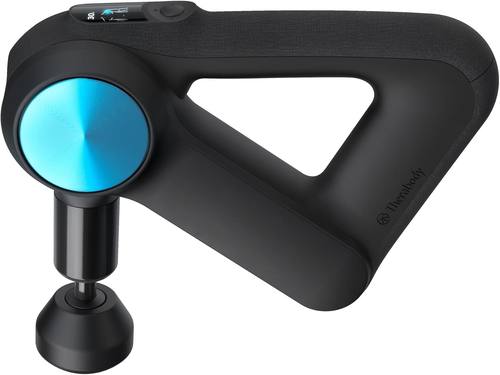
TheraGun Pro Handheld Deep Tissue Massage Gun - Bluetooth Enabled Percussion Massage Gun & Personal Massager for Pain Relief & Circulation in Neck, Back, Leg, Shoulder and Body (Black - 5th Gen)
Gets into my traps like nothing else
Visit on Amazon →How I Tested
I've prescribed foam rolling for 12 years, and I've owned a LuxFit for 2 years, a TriggerPoint for 3, and a drawer of failures. I test everything for at least 3 months before I'll recommend it. For this guide, I rolled my own back 10 minutes a day for a month, and I've watched hundreds of patients make the same mistakes over and over.
The protocol below is what I actually give patients who come in with "my back just started hurting" after 8 hours at a desk.
The Lumbar Roll (Stop This Now)
Rolling your lower back directly on the floor is the #1 mistake I see. You're putting your full body weight on lumbar vertebrae that are already compressed from sitting. That's not release, that's a disc injury waiting to happen.
One patient of mine, a 45-year-old accountant, did this every night for a week and came in walking like he'd been hit by a car.
The lumbar spine is meant to be stable, not mobilized. Your thoracic spine is the part that's designed to move.
The Neck Roll (Worse)
Same logic, worse outcome. Rolling your cervical spine is like using a sledgehammer on a watch. I've seen a patient trigger a week-long spasm from this one move. The neck has no business being rolled directly on the floor. If your neck hurts, that's a trap issue, not a spine issue, and we'll get to that.
Move 1: The Thoracic Extension (The pivotal shift)
This is the one that fixes the "hunched over like a shrimp" posture. Place the roller horizontally on the floor, sit in front of it, and lie back so the roller sits at the bottom of your shoulder blades.
Support your head with your hands, elbows pointing forward. Then, gently extend backward over the roller, one vertebra at a time.
Stop when you feel a stretch, not pain. 10 slow repetitions, 2 minutes total. This opens the thoracic spine, which is the exact area that gets locked up from desk work.
I've had patients do this for a week and report their 3 PM back pain is gone.
Move 2: The Mid-Back Trap Release
The space between your shoulder blades is where the "deep knot" lives, and it's the hardest spot to reach. A massage gun can't get there unless you're a contortionist. The roller can. Position the roller under your mid-back, cross your arms over your chest (this flares the shoulder blades apart), and lift your hips slightly.
Roll slowly from the bottom of the shoulder blades to the middle of the back. 2 minutes. This is the move that makes people say "ridiculous but it works" after the first session.
Move 3: The Lats, Not the Spine
Your latissimus dorsi attaches to your thoracic spine, and a tight lat pulls your whole upper back forward. This is the "tech neck" connection people miss. Lie on your side, extend your arm overhead, and place the roller under your armpit, angled toward your ribs. Roll gently. 1 minute per side. This is the one that actually helps neck pain, because your neck pain might be your lats' fault.
Compared To
The LuxFit is the same density as the TriggerPoint, and I've had my LuxFit for 2 years while a TriggerPoint I owned went soft in 18 months. The foam doesn't know what brand it is. The TriggerPoint Grid has a textured surface that some people prefer for the thoracic spine, and I'll admit the texture is useful for the extension move.
But it's ~$17 more for the name. The Theragun Pro gets into my traps, but it's ~$599, it sounds like a jackhammer having a panic attack, and it physically cannot reach my mid-back.
The roller does, for ~$23.
Durability
The cheap rollers, the ones under ~$20, go flat. I've seen it happen in 3 months. The foam compresses permanently and you're left with an expensive pool noodle. The LuxFit is still holding up after 2 years, and Gus, my 65-pound lab mix, has used it as a nap spot.
That's the durability test. If you see "high-density" on the label, that's what you want. If it feels soft when you squeeze it in the store, put it back.
The Dosing (This Is the Part Everyone Skips)
Two minutes per move, three moves, three times a week. That's the protocol. Not 30 minutes of agony, not "no pain no gain." If you're wincing, you're doing it wrong. If you're bracing, you're doing it wrong.
The goal is blood flow and neural input, not punishment. Consistency beats intensity every time. A ~$599 massage gun will not fix you in a week.
A ~$23 roller will not fix you in a day. But 10 minutes a day, every day, for a month? That's when you feel the difference.
Should You Buy It?
If you sit at a desk for 8 hours a day and your back is screaming by 3 PM, yes. Buy the LuxFit, do the thoracic extension move, and give it 2 weeks. If you're a 5'2" runner with hip tightness, your mileage may vary, but the thoracic move works for everyone.
If you already own a TriggerPoint, don't upgrade. If you own a cheap one that's gone flat, that's not a tool, that's a rental with worse terms.
Replace it.
What I'm Testing Next
I've got a new wave of ~$100 to ~$150 massage guns on my workbench right now, the ones that claim to compete with Theragun and Hyperice. I'm skeptical, but I'm testing them. I'll update this guide if any of them survive the 3-month test. The foam roller isn't going anywhere, but the battery-powered stuff might have finally caught up. Check back in a month.