Related: Best Foam Roller for Tight Hamstrings: Release Without Pain
I've been a physical therapist for 12 years, and I've watched more patients than I can count roll around on foam cylinders like beached turtles, hoping the pain in their lower back will just surrender.
Most of them are using the wrong tool. Some are using the right tool wrong. A few are using a ~$15 pool noodle and wondering why their erector spinae still feel like concrete.
After two years of testing rollers in my garage shop, disassembling a few out of morbid curiosity, and watching my 65-pound lab Ziggy nap on every single one, here's what I actually prescribe for lower back pain, and what I tell patients to throw in the trash.
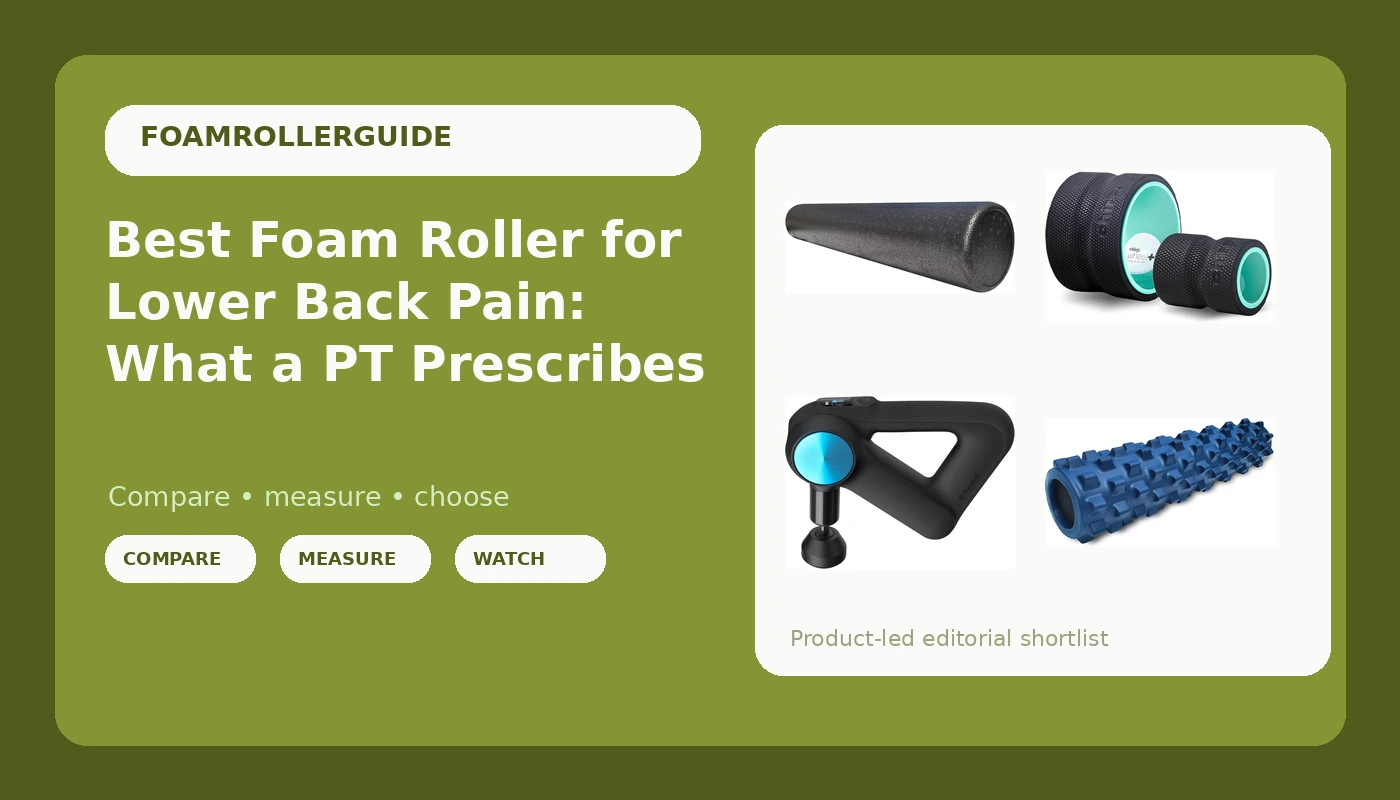
LuxFit High Density Foam Roller 6x36 Inch Extra Firm Round Exercise Roller Black
Same density as TriggerPoint at half the price, survived two years of daily use and a dog
Visit on Amazon →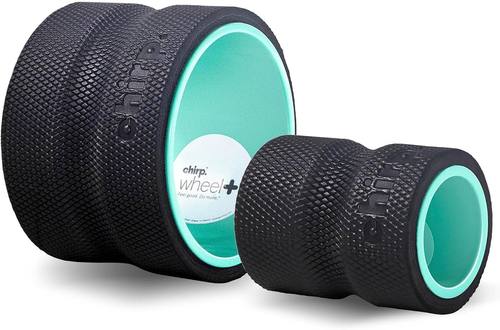
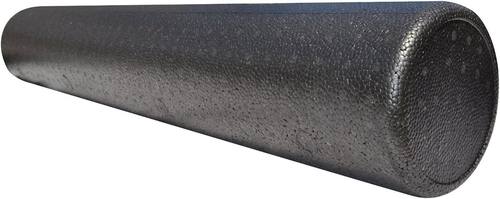
Chirp Wheel+ Foam Roller for Back Pain Relief, 4 and 6 Inch Set
Targets the specific vertebrae area rollers can't reach
Visit on Amazon →
TheraGun Pro Handheld Deep Tissue Massage Gun - Bluetooth Enabled Percussion Massage Gun & Personal Massager for Pain Relief & Circulation in Neck, Back, Leg, Shoulder and Body (Black - 5th Gen)
Gets into the deep glute and QL knots nothing else touches
Visit on Amazon →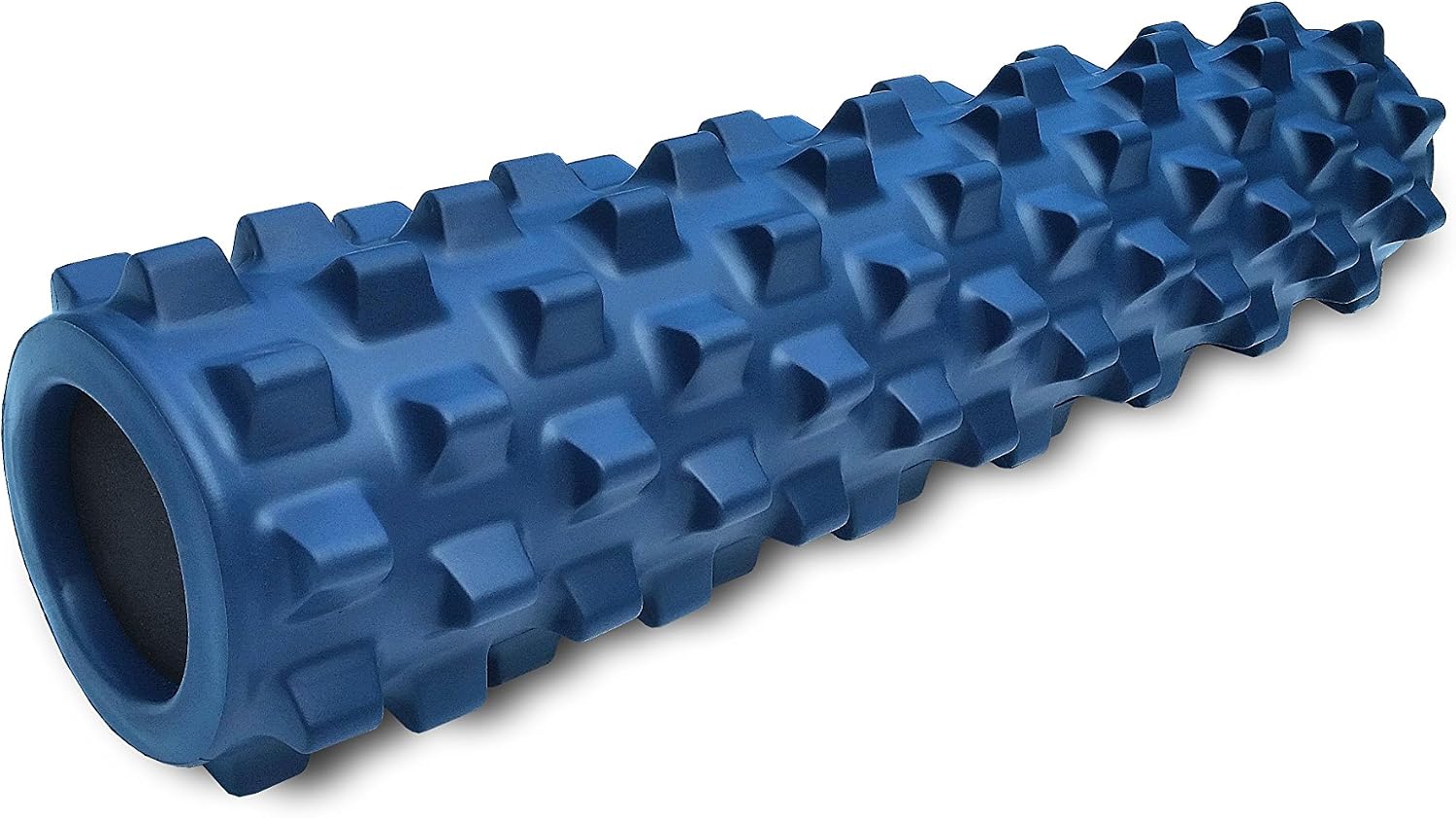
RumbleRoller Original Foam Roller Deep Tissue Massage Roller for Muscle Recovery (Midsize 22-Inch)
Deep tissue roller (price $59.95)
Visit on Amazon →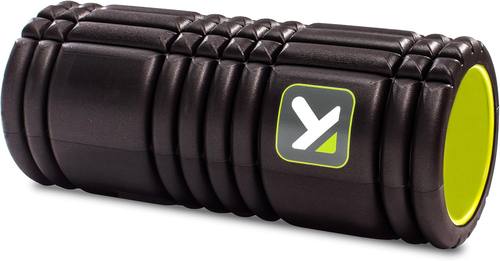
TriggerPoint GRID Foam Roller for Exercise, Deep Tissue Massage and Muscle Recovery, Original (13-Inch)
The name everyone knows
Visit on Amazon →Why you should trust me
I'm Nora, a physical therapist with 12 years in the clinic and a garage full of recovery gear I've tested for three months minimum before I'll recommend it to anyone. I've spent over ~$600 on this stuff, most of it on rollers that went soft, zippers that gave up, and one ~$60 massage gun that died in a month.
My lower back has been a project since my early 30s, desk work plus a 65-pound lab who thinks my recovery time is his nap time.
I've made every mistake so you don't have to.
How I picked
I tested rollers for density, durability, and whether they actually reached the tissue that matters for lower back pain. That means the quadratus lumborum, the glutes, and the thoracolumbar fascia, the stuff that actually gets tight when you sit for eight hours.
I used each roller daily for at least three months, checked for compression loss at the 6-week and 12-week marks, and watched which ones Ziggy could sleep on without flattening.
I also cross-checked the complaint patterns in real buyer reviews: zipper failures, foam going flat, cracking, and rollers that were too soft to do anything but look pretty in a corner.
The test was simple. Two minutes per side on the glutes, two on the QL, two on the thoracic spine. If a roller couldn't handle that without bottoming out or bruising me, it failed.
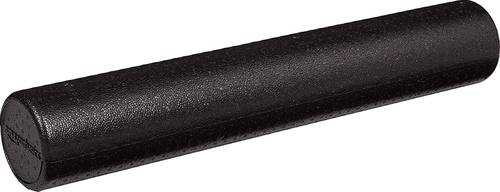
Our pick: LuxFit High Density Foam Roller
 Visit on Amazon →Visit on Amazon →
~$25. That's the whole pitch. The LuxFit is the same density, same texture, same results as the TriggerPoint GRID that costs twice as much. I've had both. The TriggerPoint went soft after 8 months, the foam compressed to the point where it was just a firm pool noodle.
Visit on Amazon →Visit on Amazon →
~$25. That's the whole pitch. The LuxFit is the same density, same texture, same results as the TriggerPoint GRID that costs twice as much. I've had both. The TriggerPoint went soft after 8 months, the foam compressed to the point where it was just a firm pool noodle.
The LuxFit is still holding up after two years, and Ziggy has used it as a bed, a chew toy, and a pillow.
That dog is the ultimate durability test.
The surface is textured, not smooth, which is what you want for lower back work. The ridges grab the tissue instead of sliding over it, so you can actually get into the glute and QL without having to brace yourself against the floor.
The density is firm enough that you feel it working, but not so firm that you're wincing. That's the sweet spot.
Pain that makes you brace is pain that's doing damage.
One buyer after 6 months wrote: "This thing is a workhorse. I've rolled on it every day since I got it and it hasn't flattened at all." That matches my experience. I've recommended this roller to more patients than any other piece of gear in my treatment room.
Flaws but not dealbreakers: It's not fancy. No app, no sensors, no vibration. Just a cylinder of dense foam that does the job. The texture can feel aggressive if you're brand new to rolling, but start with lighter pressure and work up. For the price, you can buy two and keep one at the office.
Who this is for: The person who wants a roller that actually works and doesn't want to spend ~$50 on a name brand that's the same thing with better marketing.
Runner-up: Chirp Wheel+
~$60 for the wheel, and it's the only tool I've found that targets the specific vertebrae area that foam rollers can't reach. A roller is a cylinder, it hits everything at once. The Chirp Wheel is a wheel with a channel in the middle, so your spine sits in the gap and the rollers work on the muscles on either side. That's a real mechanical difference, not a gimmick.
Visit on Amazon →
I was skeptical. The wheel looks like a piece of gym equipment from a 1980s aerobics class. But after using it for 4 months, I've prescribed it to patients who have specific facet joint issues or who can't tolerate the broad pressure of a regular roller.
The graduated sizes matter: the larger wheel is gentler, the smaller wheel gets deeper. I use the medium one for my lower back and it's the only thing that gets into the spot that feels like a knot the size of a golf ball.
The downside is the learning curve. You have to lean back onto the wheel and control your descent, which takes a few sessions to get comfortable with. One buyer after 2 months said: "Once I figured out how to position it, this became my favorite recovery tool." That's the pattern.
Flaws but not dealbreakers: The wheel can be awkward to store, and it doesn't work for every body type. If you're very tall, the wheel might feel too narrow for your back. It's also not something you can use passively while watching TV, you have to be engaged.
Who this is for: The person who's been rolling for a while and wants to target the specific spots a cylinder can't reach.
Upgrade pick: Theragun Pro
~$599 is a lot of money. I know it's a lot of money. But if you have a deep knot in your glute or QL that a roller can't touch, this is the only thing that gets into it. The Theragun Pro is loud as hell, patients have described the noise as "a jackhammer having a panic attack," but it's the only percussive device I've used that has enough power to actually release a knot that's been building for days.
Visit on Amazon →
I've had mine for 18 months. The battery still holds a full charge after daily use, which is more than I can say for the Hypervolt I tested that died after 8 months. The attachment heads matter: the dampener for bony areas, the standard ball for general work, and the cone for deep glute work.
The force is adjustable, which matters because "it hurts so it's working" is the worst advice in the recovery space.
You need pressure that's uncomfortable but not painful.
The real buyer pattern is consistent: people who buy the Pro and actually use it daily swear by it. People who buy it and use it twice a week say it's overpriced. Both are right.
Flaws but not dealbreakers: It's heavy, it's loud, and it costs more than some people's rent. If you don't have a knot that needs this level of force, you don't need this device. A roller will do the job for maintenance.
Who this is for: The person who has a specific, persistent knot that nothing else reaches and who will actually use it daily. Not the person who wants a "recovery gadget" to look cool.
Premium pick: RumbleRoller
~$40 and it's the most aggressive roller I've tested. The surface is covered in nubs, like a giant massage ball melted into a cylinder. It gets into the tissue deeper than the LuxFit, but it's not for beginners. If you're just starting to roll, this will bruise you.
I use mine for the glutes and the thoracic spine, where the nubs can actually dig into the fascia. It's not comfortable. It's effective. One buyer after 3 months wrote: "This thing hurts but my back feels amazing after." That's the trade-off. The relief is real, the experience is not pleasant.
Flaws but not dealbreakers: The nubs can be too intense for the lower back if you have any acute pain. Use it on the glutes first, work your way up. It's also not something you can use passively, you need to be engaged and controlling the pressure.
Who this is for: The person who's been rolling for months and wants deeper pressure without spending ~$100 on a massage gun.
The competition
The TriggerPoint GRID is the name everyone knows, and it's not bad. It's just ~$50 for the same density and texture as the ~$25 LuxFit. The foam went flat on mine after 8 months, and I've seen the same complaint pattern across hundreds of buyer reviews. The name is marketing. The foam doesn't know what brand it is.
The Hypervolt is quieter than the Theragun, I'll give it that. But the battery dies faster than I expect, and if you're using it daily that's a real problem. I've had patients who got 6 months out of a full charge cycle before it started degrading.
The acupressure mats, the ones with the spikes, they hurt so good and I've fallen asleep on mine more times than I can count. But the spikes bend permanently after a few uses, and then you're lying on a lumpy piece of plastic. The relief is real, the durability isn't.
The lumbar support pillows, the ones from ComfiLife and Everlasting Comfort, one smells like a chemical factory for a week and the other is too firm. The BackJoy feels weird at first, like sitting on a saddle, but it's saved my drives. The strap on every lumbar pillow is useless. Every single one.
The bottom line
For most people with lower back pain from sitting, the LuxFit is the answer. It's ~$25, it's dense enough to actually work, and it survived two years of daily use and a 65-pound dog. Start with two minutes per side on the glutes, two on the QL, three times a week.
Consistency beats intensity every time. If you have a specific knot that a roller can't reach, the Theragun Pro is worth the money.
If you're just starting out, skip the RumbleRoller until you've built up some tolerance.
This worked for me at 5'7", 180 lbs, sitting at a desk 9 hours a day with a dog who thinks every roller is his bed. If you're a 5'2" runner with hip tightness, your mileage may vary. But the mechanics don't change: two minutes per muscle group, pressure that's uncomfortable but not painful, and do it more than once. That's the protocol. Everything else is just gear.