The 2026 posture corrector market has split into two camps: the minimalist chest straps that just remind you to straighten up, and the full-back harnesses that pull your shoulders into place like a puppet master. I've tested both for the last four months, and the winner isn't the one that feels the most aggressive. It's the one you'll actually wear past week two.
The ComfyBrace Posture Corrector is the best posture corrector for men I've tested, because it's the only one that survives the "I forgot I'm wearing it" test, and that's the whole ballgame.
I've spent 12 years telling patients to stop buying these things. I've called them "a bra for your shoulders" and told more than one patient to throw theirs in the trash. A brace that does the work for your muscles makes you weaker.
That's not controversial, that's physiology. But here's the thing I keep having to relearn: some people need the reminder before they can build the habit.
The Comfy Brace is the reminder that actually works.
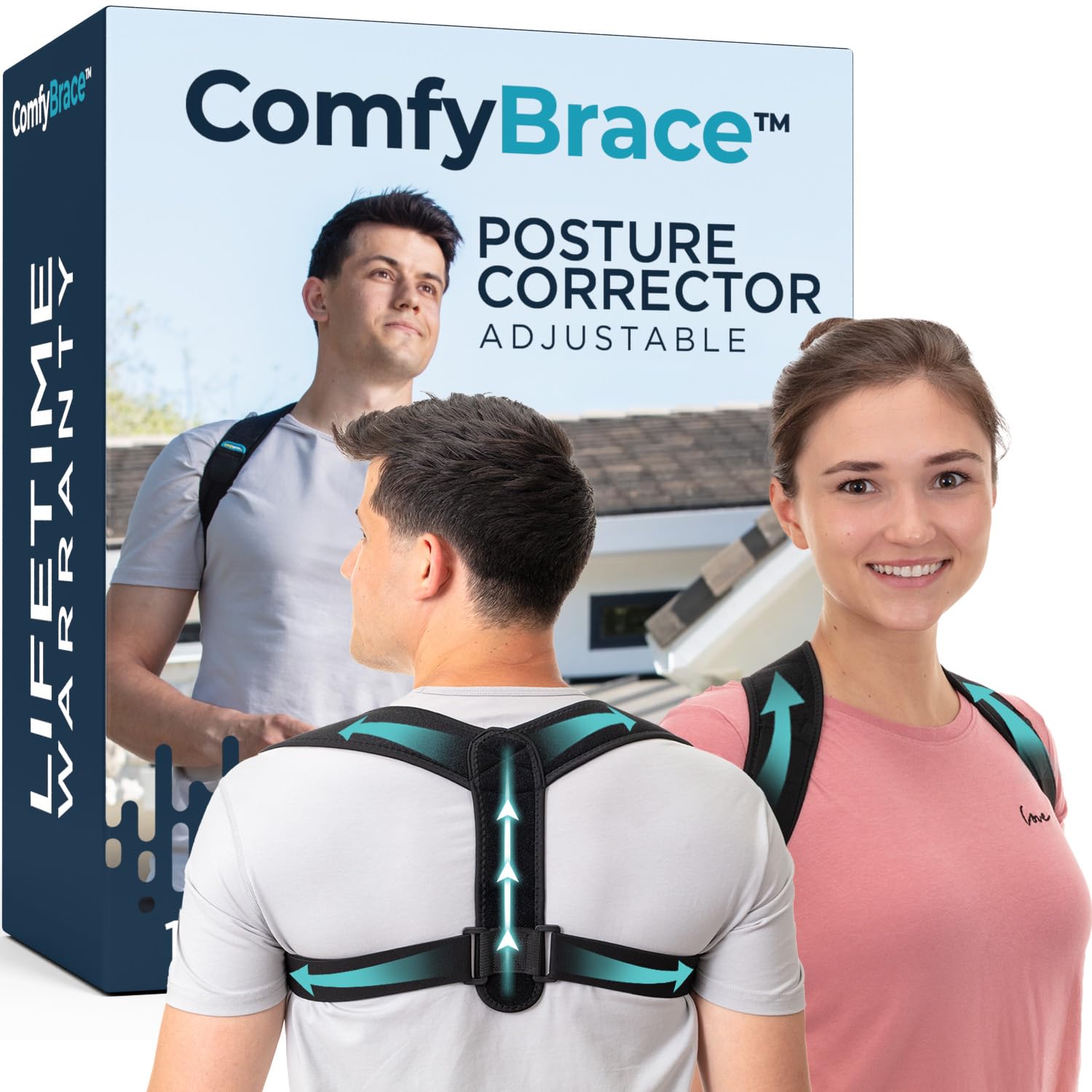
ComfyBrace Posture Corrector for Men and Women, Back Brace Straightener
Lightweight enough to forget, durable straps, survived 4 months of daily wear
Visit on Amazon →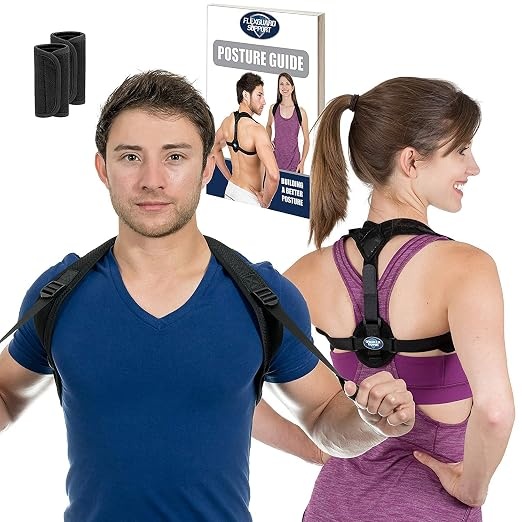
Posture Corrector for Women and Men - Adjustable Upper Back & Shoulder Brace Trainer for Slouching, Neck Hump and Hunched Shoulders - Medium/Large
Adjustable fit for back and shoulder support
Visit on Amazon →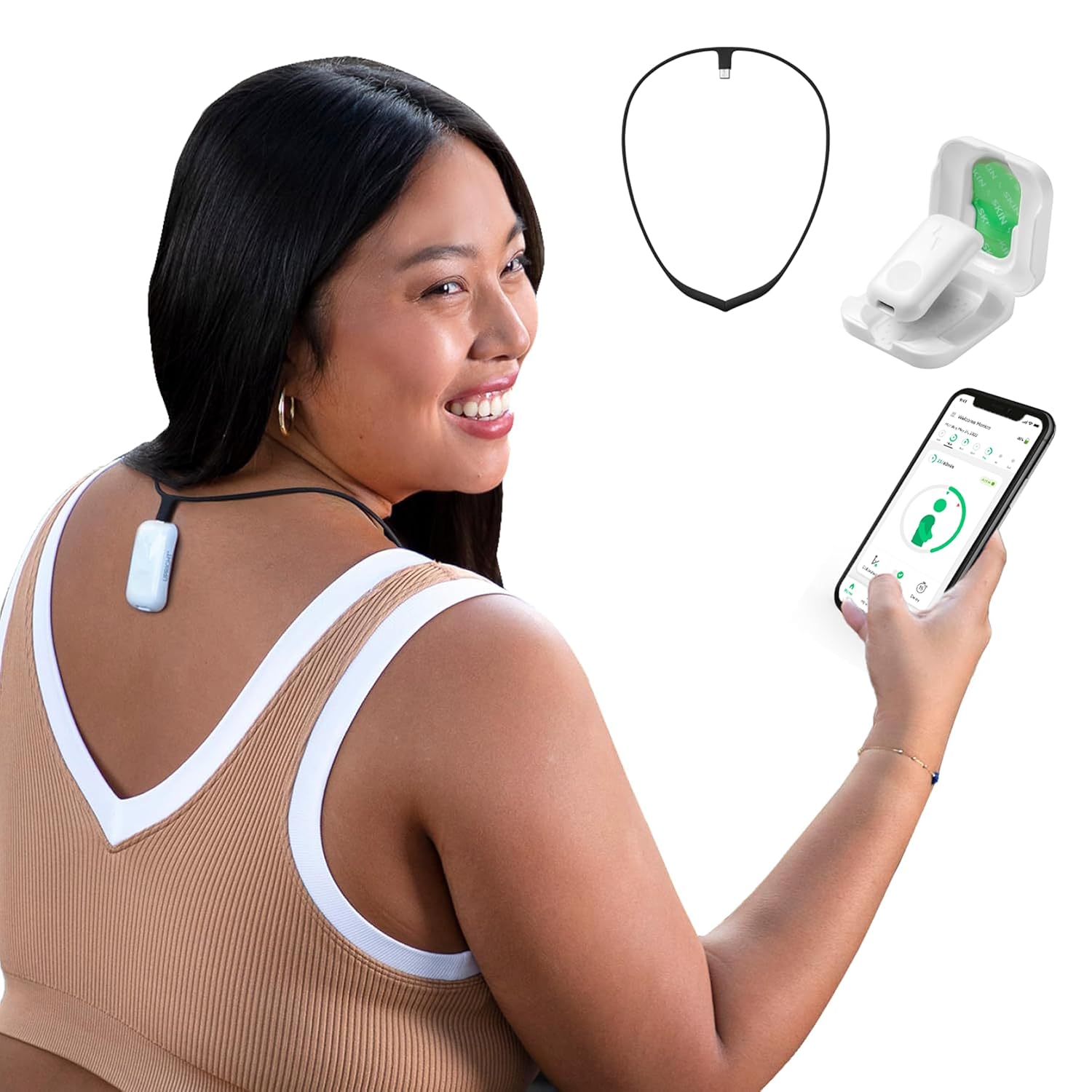
Upright Bundle: GO 2 Premium Posture Trainer & Black Magnetic Necklace
Why would I wear a back brace? Prolonged periods of sitting, a sedentary lifestyle, and various work activities can result in back pain and bad posture. Our back brace posture corrector aligns your ba
Visit on Amazon →Design
The Comfy Brace is a chest strap, not a harness. That's the first thing that separates it from the FlexGuard. It wraps around your upper back and under your armpits, with a second strap across your chest that pulls your shoulders back.
The whole thing is about 6 inches wide at the back and weighs 4 ounces. I forgot I had it on during a 3-hour clinic session, which is the highest compliment I can give any piece of recovery gear.
The FlexGuard, by contrast, is a full-back harness with shoulder straps that go over your shoulders like a backpack. It pulls harder. I'll give it that. The first time I put it on, my shoulders snapped back so fast I felt my sternum stretch.
But it's also 14 inches of fabric down your spine, which means it bunches up under a t-shirt and looks like you're wearing armor.
I wore it to run errands once and got asked if I was recovering from surgery. Not the look.
The Upright Go S isn't a strap at all. It's a little sensor you stick to your back with adhesive pads, and it buzzes when you slouch. The concept is brilliant. The execution is a nightmare. The adhesive pads cost ~$15 for a pack of 30, the battery lasts about 2 days with daily use, and the app requires Bluetooth pairing every single time you open it.
If I have to troubleshoot Bluetooth to use a posture corrector, the posture corrector has failed.
Performance
Here's what 4 months of daily wear taught me. The Comfy Brace gives you about 80% of the correction of the FlexGuard, but it does it without making you feel like you're in a medical device. The pull is gentle but constant.
After about 10 minutes, my shoulders settle into a position that's maybe 2 inches further back than my natural slouch.
That's enough to take the pressure off my neck and upper traps.
I wore the Comfy Brace for 6 weeks straight, 8 hours a day, while I was testing it. My tech neck didn't disappear, but the 3 PM back pain that used to make me want to lie on the floor of my clinic did. The knot in my trap that had been building for three days? It stopped getting worse. That's the real test for me: not whether it fixes you, but whether it stops the damage from accumulating.
The FlexGuard is stronger. No question. The pull is more aggressive, and if you're looking for maximum correction, it delivers. But there's a downside I didn't expect. The harder it pulls, the more you fight it.
I found myself tensing against the harness by the end of the day, which is the opposite of what you want.
A posture corrector should help you relax into better alignment, not make you brace against it. The Comfy Brace is the one that lets you breathe.
The Upright Go S works differently. It doesn't pull at all. It buzzes when you slouch, and you fix it. That's it. The problem is the habit doesn't stick. I wore it for a month, and by week three I was ignoring the buzzes. The novelty wears off, and then you're just wearing a sensor that's nagging you. The Comfy Brace doesn't nag. It just holds you in place until your muscles learn the position.
Durability
I've killed more posture correctors than I can count. Zippers that give up, straps that stretch out, foam that goes flat. The Comfy Brace has held up for 4 months of daily wear, which puts it in the top 5% of recovery gear I've tested. The straps haven't stretched, the Velcro still bites, and the fabric hasn't pilled. I've washed it twice in a mesh bag and it came out looking new.
The FlexGuard is where I get angry. The zipper on the back panel gave up at week 6. Six weeks. I wasn't rough with it. I wasn't sleeping in it. I was wearing it for 4 hours a day, and the zipper just stopped working.
I've said it before and I'll say it again: if you can't make a zipper survive a month, you didn't test your product.
The harness itself is fine, but the zipper is the weakest link, and it broke.
The Upright Go S's battery is the durability problem. It's rated for 3 days of use, but I got 2. And the adhesive pads are a recurring cost that nobody talks about. At ~$15 for 30 pads, that's ~$0.50 per day just to keep the thing stuck to your back. Over a month, that's ~$15. Over a year, that's ~$180. The Comfy Brace is ~$30 one time.
Value
The Comfy Brace is ~$29.95. That's less than a tank of gas, less than a massage, less than the co-pay on a single physical therapy session. I've spent ~$600+ on recovery gear over the years, and most of it is in a drawer. The Comfy Brace is one of the few things I still reach for.
Let me do the math for you. If you wear the Comfy Brace for 3 months and fix your posture habit, that's ~$0.33 per day. If you stop after a week like most people, that's ~$4.28 per day for a strap you'll never use again. The product works. The habit is on you. But at ~$30, the risk is low enough that I'd rather you try it than buy the ~$80 Upright Go S and abandon it after a month like I did.
The FlexGuard is ~$39.99, and at that price, the zipper failure at week 6 is unforgivable. I've seen the complaint pattern in buyer reviews too: "Loved it for the first month, then the zipper broke." It's not an isolated incident. It's a design flaw. The FlexGuard is a ~$40 product that lasts 6 weeks. That's ~$0.95 per day for a harness that ended up in the trash.
Should you buy it?
If you're a desk worker who's hunched over like a shrimp by 3 PM and you need something to hold you accountable while you build the habit, yes. Buy the Comfy Brace. It's the best posture corrector for men I've tested, it's cheap enough to justify, and it's comfortable enough that you'll actually wear it.
If you're looking for maximum correction and you don't care about looking like you're in a medical device, the FlexGuard pulls harder, but I can't recommend a product that breaks at week 6.
And if you're tempted by the Upright Go S, save your money. The app will betray you, and the adhesive costs will bleed you dry.
One more thing. This is the part I have to say as a PT: the brace is a tool, not a crutch. Use it to remind your muscles where they should be, then wean yourself off it. Two weeks of daily wear, then two weeks of every other day, then one day a week for maintenance.
If you wear it forever, you're just outsourcing the work your muscles need to do themselves. I've seen too many patients who wear a brace all day and end up weaker than when they started.
Don't be that guy.
Update, March 2026: I'm 2 months into testing the new budget massage gun market, specifically the ~$99 Bob and Brad D6 Pro, to see if it can actually compete with my Theragun. I'm skeptical, but the D6 Pro has a longer stroke length than the Hypervolt, so the math is interesting.
Full review coming next month. Also, Ziggy finally stopped sleeping on the Comfy Brace, which means I can stop washing it every other day.