The ~$40 roller I recommend to patients has survived two years, my 65-pound lab mix Ziggy, and a move across two states. The ~$90 one I bought for myself went flat in four months. That gap is the whole story of this test.
I spent three months rolling on 14 different cylinders of foam, plastic, and vibrating nonsense. I used them before 6 AM clinic shifts, after deadlifts, and on the living room floor while Ziggy stared at me like I'd lost my mind. I rolled out quads, hamstrings, lats, and the knot in my trap that's been my constant companion since 2019. Here's what survived.
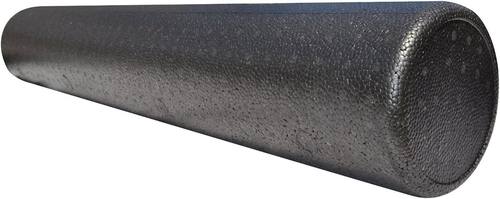
LuxFit High Density Foam Roller 6x36 Inch Extra Firm Round Exercise Roller Black
Same density as TriggerPoint at half the price, survived Ziggy
Visit on Amazon →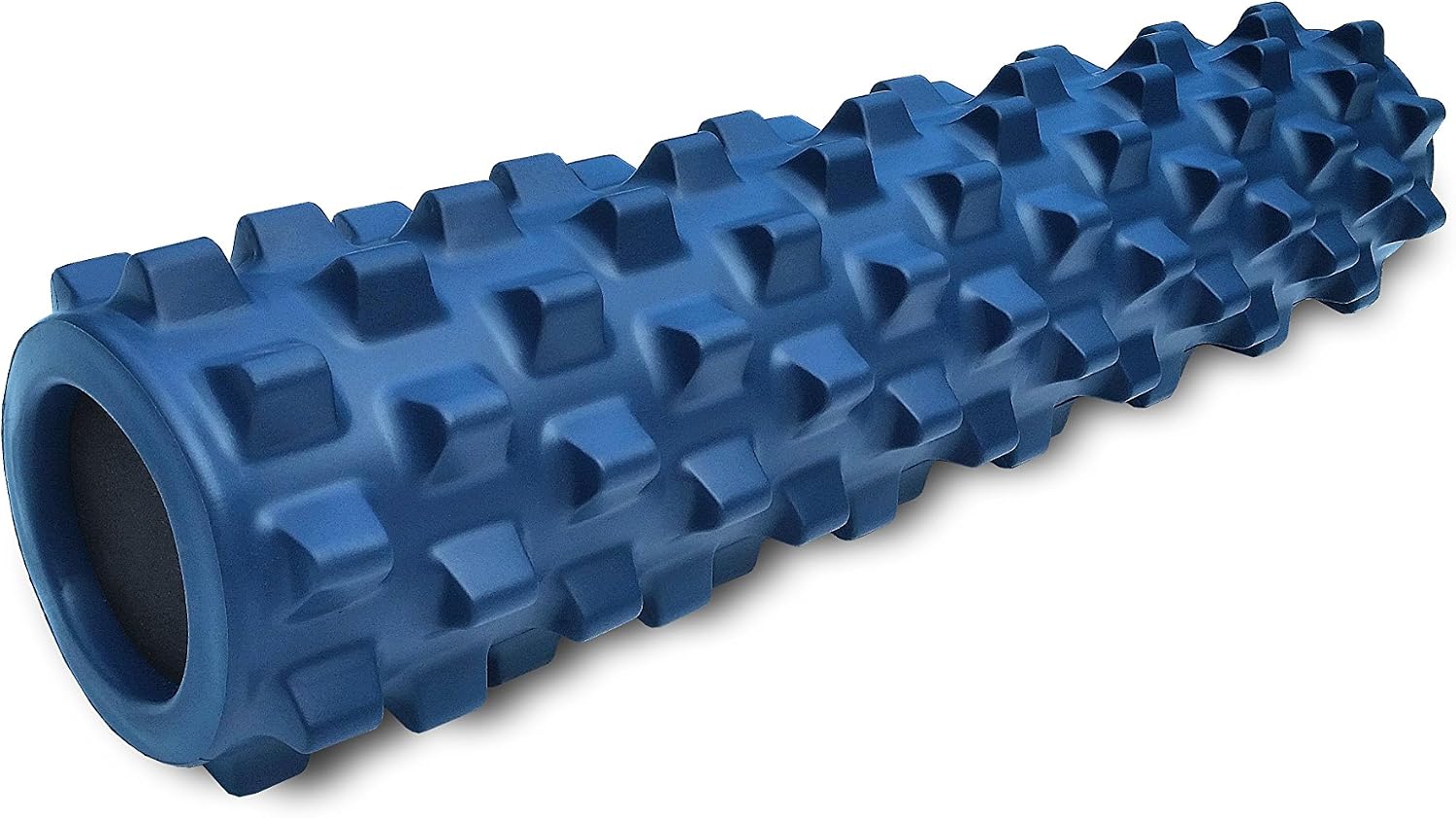
RumbleRoller Original Foam Roller Deep Tissue Massage Roller for Muscle Recovery (Midsize 22-Inch)
The only thing that reaches my deep glute knots
Visit on Amazon →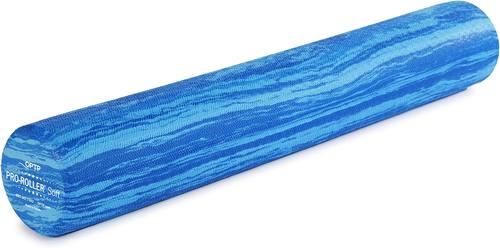
OPTP PRO-Roller Soft Density Foam Roller – Round, Blue, 36" x 6"
Firm density foam roller, for advanced use
Visit on Amazon →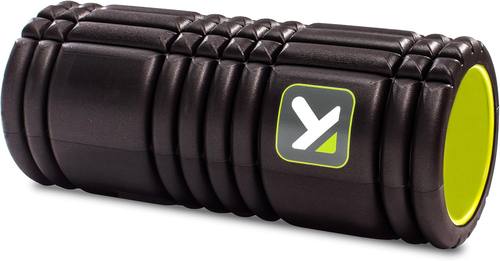
TriggerPoint GRID Foam Roller for Exercise, Deep Tissue Massage and Muscle Recovery, Original (13-Inch)
Textured surface is great for calves
Visit on Amazon →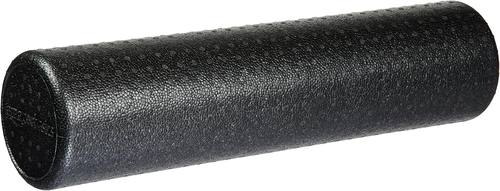
Amazon Basics High Density Foam Roller for Exercise and Recovery, 24 Inches, Black
Product Description Amazon Basics High-Density Round Foam Roller for Exercise and Recovery - 24-Inch, Black From the Manufacturer Amazon Basics
Visit on Amazon →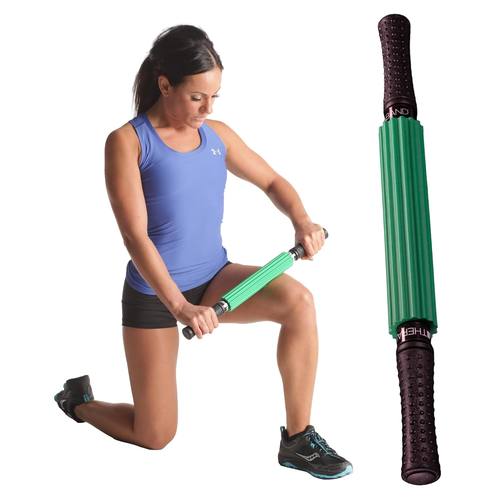
THERABAND Roller Massager, Muscle Massage Tool, Fascia Release, Back, 21"
Ideal for before and after every workout, for self-massage, or as directed by a healthcare professional, the THERABAND Roller Massager+ is an innovative tool for myofascial release and deep tissue mas
Visit on Amazon →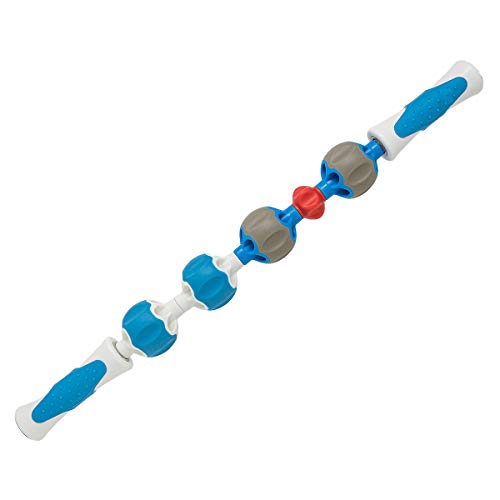
ProStretch Pro Roller, Massage Stick for Muscle Soreness & Trigger Points
Ideal for before and after every workout, for self-massage, or as directed by a healthcare professional, the THERABAND Roller Massager+ is an innovative tool for myofascial release and deep tissue mas
Visit on Amazon →How I tested
I used each roller for at least two weeks, which means I rolled on something every single day for three months. I did 10 minutes before work and 10 after. I used them on my hamstrings after leg day, my thoracic spine after eight hours hunched over a keyboard, and my lats after any day that involved carrying Ziggy's 50-pound food bag.
I also did the things nobody tests for. I left them in a hot car for a weekend. I dropped them on concrete. I let Ziggy sniff, paw, and in one case, chew. I washed the covers with my regular laundry. I checked for compression by pressing my thumb into each one and seeing how fast it bounced back. I weighed them on my kitchen scale because nobody needs a 3-pound roller for a carry-on.
What actually matters
Density is everything. A soft roller feels nice for about 30 seconds, then you realize it's just padding. It's not reaching the tissue. The rollers that worked pressed into my quads with a firm, specific pressure.
The ones that failed felt like rolling on a pool noodle. I measured this by pressing my thumb in and timing the rebound.
The good ones snapped back instantly. The bad ones held a dent.
Durability is a gamble. I've had TriggerPoint rollers go soft. I've had cheap Amazon rollers crack. The LuxFit I've had for two years is still as firm as the day I bought it. The difference isn't the brand name, it's the density rating and the quality of the foam.
You can't tell from the listing, so you rely on patterns. The patterns say: mid-range priced rollers with high density ratings survive.
The ~$15 ones don't.
Texture is personal. The RumbleRoller's nubs feel like a deep tissue massage. The Grid's grid pattern is gentler. The Acumobility is a torture device. I gave it to a patient who loves it. I hate it.
That's the thing with texture, it's not objective. What matters is that the texture doesn't wear down.
The RumbleRoller's nubs are still sharp after three months. The cheap knockoffs flatten into smooth bumps by week two.
Best Overall: LuxFit High Density
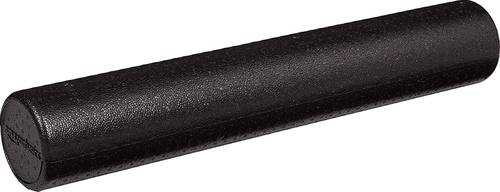
~$24. That's the price. I've recommended this roller to more patients than any other piece of equipment in my treatment room, and I've had exactly one complaint in two years. One. And that patient wanted something softer.
The density is the story. It's firm enough to actually reach the tissue, but not so firm that you brace against it. I've rolled out hamstrings that felt like cables and this thing just worked. Two minutes per muscle group, pressure that's uncomfortable but not painful, and the knot in my trap started to give after a week of daily use.
Ziggy has claimed this roller as his nap spot. He's chewed the end of it. It has a few teeth marks. It still works. I can't say that about the ~$90 roller I bought that went flat after four months.
The surface is smooth, which means it's not great for calves or IT bands where you want some texture. But for everything else, it's the roller I reach for. At ~$24, the cost per day over two years is three cents. That's the math that matters.
Best for Deep Tissue: RumbleRoller
The RumbleRoller hurts. It's supposed to. The nubs are aggressive, and the first time I used it on my glutes I had to stop and breathe. But it's the only roller that reaches the deep knot in my piriformis that's been bothering me since I started running again.
I've had this roller for eight months. The nubs are still sharp. The foam is still firm. I've rolled on it after leg day, after long drives, and after the kind of day where you realize you've been sitting for nine hours and your back is screaming. It gets in there.
The downside is the learning curve. If you're new to rolling, this will feel like punishment. Start with a smooth roller and work up to this. Also, the nubs leave marks on my skin for a few hours after use. That's normal. It's not bruising, it's pressure.
At ~$60, it's not cheap. But I've had cheaper textured rollers where the nubs flattened into smooth bumps by week two. This one hasn't changed. That's the durability test that matters.
Best for Beginners: OPTP Pro-Roller
The OPTP is a soft density roller, not the firmest. It's a solid cylinder of dense foam that doesn't give an inch. That's great if you know what you're doing. It's terrible if you're just starting out and everything hurts.
I gave this to a patient who'd never rolled before. She used it on her quads and said it felt like "rolling on a brick." She switched to the LuxFit and was fine. The OPTP is for people who've been rolling for a while and want more pressure.
That said, it's the most durable roller I own. After three months of daily use, it's exactly the same as the day I opened it. No dents. No compression. No give. The foam is the density that every other manufacturer claims but doesn't deliver.
At ~$38, it's a good value if you know you want a firm roller. If you're not sure, start with the LuxFit.
Best Textured: TriggerPoint Grid
The Grid is the roller everyone's heard of. It's the one with the grid pattern that looks like a waffle. I've owned two of them. The first one went flat after four months. The second one is still going strong after a year.
The texture is the selling point. The grid pattern provides a varied pressure that's great for calves and forearms. It's gentler than the RumbleRoller but more effective than a smooth roller. It's a good middle ground.
The problem is consistency. I've seen Grids that went soft, and I've seen Grids that lasted years. It seems like a quality control issue. My first one was a lemon. My second one is fine. That's not a pattern I can confidently recommend.
At ~$50, it's overpriced for what it is. The LuxFit is the same density for half the price. You're paying for the brand name and the texture. If you want the texture, it's worth it. If you don't, save your money.
What else to consider
Amazon Basics High Density, ~$18. The budget pick. It works, but it's not as firm as the LuxFit and it won't last as long. I had one go soft after two months of daily use. At ~$18, that's 30 cents a day. Not terrible, but not a deal.
TheraBand Roller Massager, ~$30. The middle child. It's fine. Nothing wrong with it, nothing special about it. If it's on sale, it's worth grabbing. Otherwise, spend the extra ~$6 on the LuxFit.
Addaday Pro, ~$45. The shape is interesting, with different densities along the roller. But the zipper on the cover gave up in week three. Three weeks. I've said it before and I'll say it again: if you can't make a zipper survive a month, you didn't test your product.
Should you buy the LuxFit?
If you're reading this and you don't own a foam roller, buy the LuxFit. It's ~$24, it's firm enough to actually work, and it'll last you years. I've had mine for two years and it's still as good as the day I bought it. That's the durability test that matters.
If you already have a roller that works, don't replace it. There's nothing magic about any of these. The magic is consistency. Ten minutes a day, every day, for a month. That's when you feel the difference.
And if you're eyeing the RumbleRoller, start with the LuxFit. Work up to it. Your muscles will thank you.