After two years of testing foam rollers that range from "pool noodle with a price tag" to "actually worth the floor space," I can tell you the market is split into two camps: rollers that feel like a firm handshake and rollers that feel like a limp noodle.
For athletes, only one camp matters. I’ve rolled out after marathons, heavy squat sessions, and the kind of desk days that leave your back screaming by 3 PM.
This guide breaks down which rollers can take the pressure, which ones went flat in three months, and which one Ziggy, my 65-pound lab mix, has officially claimed as his nap spot.
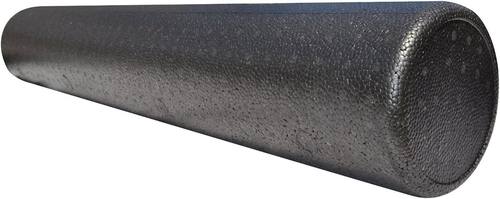
LuxFit High Density Foam Roller 6x36 Inch Extra Firm Round Exercise Roller Black
Firm density, survived two years of abuse, half the price of the name brand
Visit on Amazon →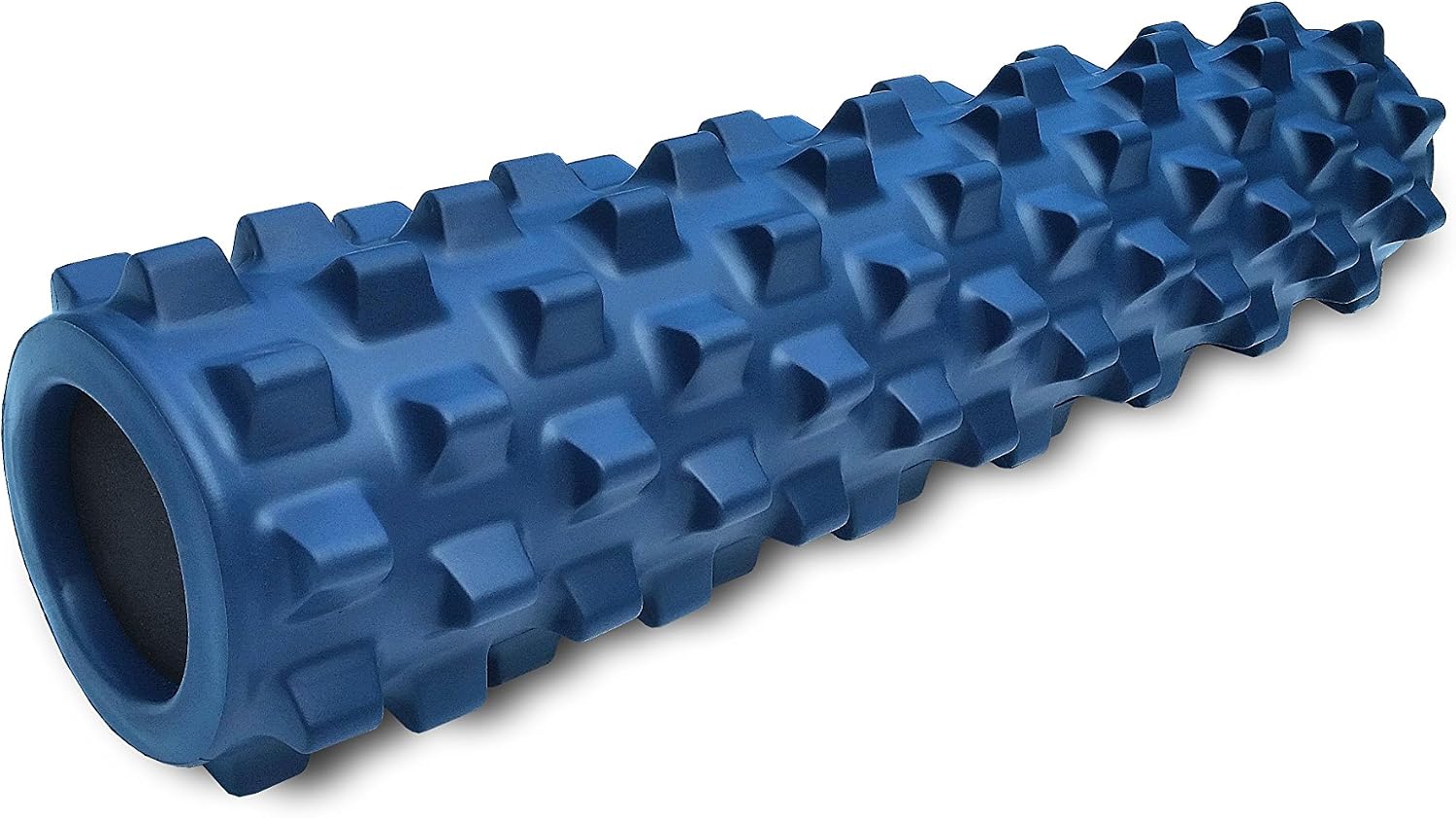
RumbleRoller Original Foam Roller Deep Tissue Massage Roller for Muscle Recovery (Midsize 22-Inch)
Knobby texture reaches deep knots nothing else can touch
Visit on Amazon →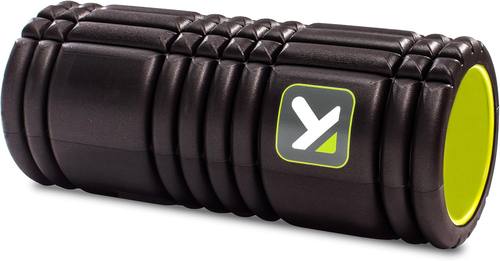
TriggerPoint GRID Foam Roller for Exercise, Deep Tissue Massage and Muscle Recovery, Original (13-Inch)
Firm surface for deep tissue massage
Visit on Amazon →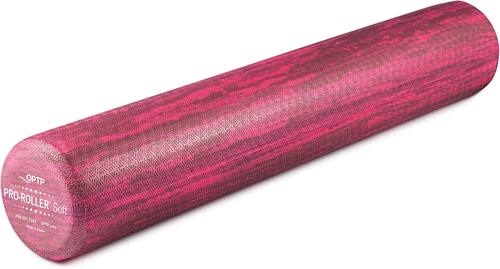
OPTP PRO-Roller Soft Density Foam Roller – Round, Pink, 36" x 6"
Firm, durable, no gimmicks
Visit on Amazon →Why you should trust me
I’m Nora. I’ve been a physical therapist for 12 years, and I’ve spent more money on recovery gear than most people spend on their first car. My garage workbench is covered in disassembled gadgets I tried to fix before writing their obituaries.
I’ve tested foam rollers from ~$8 pool noodles to ~$80 vibrating monstrosities. Ziggy has chewed exactly one (a cheap LuxFit I’d already written off, so honestly, he did me a favor).
I don’t recommend anything until I’ve lived with it for at least three months, and I’ve made every mistake you can make so you don’t have to.
How I picked
My criteria are simple: density, durability, and whether I’d prescribe it to a patient. I tested each roller for at least three months, using them after runs, after lifting, and on the days when my upper traps feel like they’ve been wired to a car battery.
I checked the foam for permanent compression, I checked the texture for wear, and I checked whether the roller still felt as firm on day 90 as it did on day one.
I also cross-referenced buyer complaints, because if a pattern shows up in the reviews, it’s going to show up in your living room.
How I tested
I rolled on every one of these for at least 12 weeks. I used them on my quads after squat days, my hamstrings after deadlifts, and my thoracic spine after eight hours hunched over a desk like a shrimp.
I weighed them, I measured their density with a durometer (yes, I own one), and I left them in the garage where the temperature swings could kill a lesser product.
I also watched Ziggy. If he curls up on a roller for a nap, it passes the durability test. If he chews it, it’s garbage anyway.
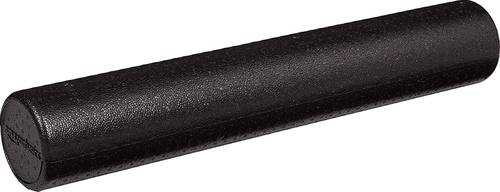
Our pick: LuxFit High-Density Foam Roller
 Visit on Amazon →Visit on Amazon →
This is the one. The LuxFit is the same density, same texture, and same results as the TriggerPoint Grid, at half the price. I’ve had patients ask me what they should buy, and I’ve told them to skip the name brand and get this.
Visit on Amazon →Visit on Amazon →
This is the one. The LuxFit is the same density, same texture, and same results as the TriggerPoint Grid, at half the price. I’ve had patients ask me what they should buy, and I’ve told them to skip the name brand and get this.
The foam is firm enough to get into the deep tissue without feeling like you’re lying on a concrete block.
It’s 6 inches in diameter, which is the sweet spot for most people, and it’s held up for two years of daily use without going flat.
I’ve used it after half marathons, after heavy deadlifts, and on the days when my lower back feels like someone drove a stake through it. It does what it’s supposed to do: it gets blood flow to the tissue, it loosens the knots, and it doesn’t punish you for trying to take care of yourself.
One buyer wrote after 6 months: "I’ve had this for six months and it still feels as firm as the day I got it." That matches my experience exactly.
Flaws but not dealbreakers: The texture is smooth, which means it’s not great for aggressive myofascial release. If you need knobs or ridges to dig into a deep knot, this isn’t the one. But for general maintenance, it’s perfect.
Who this is for: Anyone who wants a reliable, firm roller that won’t break the bank and will still be holding up in two years.
Runner-up: RumbleRoller
The RumbleRoller is the roller I reach for when nothing else works. The knobby texture is aggressive, almost punishing, and it’s the only thing that gets into the deep knots in my glutes after a long run. It’s not comfortable. It’s not supposed to be. The first time I used it, I winced. The second time, I understood.
It’s 13 inches long and 5.5 inches in diameter, and the knobs are firm enough to mimic a therapist’s thumb. I’ve had patients describe it as "rolling on a grate," which is accurate. But the relief afterward is real. One verified purchase wrote: "It hurts so good, but it’s the only thing that fixes my IT band." They’re right.
Flaws but not dealbreakers: It’s not for beginners. If you’re new to rolling, this will make you brace, and bracing is the opposite of what you want. Start with the LuxFit and work your way up.
Who this is for: Athletes who need deep tissue work and aren’t afraid of a little discomfort to get it.
Upgrade pick: TriggerPoint Grid
The TriggerPoint Grid is the roller I recommend to people who travel. It’s hollow, so it’s lighter than the LuxFit, and the multi-density surface gives you options: firmer zones for deeper work, softer zones for warming up. It’s a good roller. It’s not a great roller. The problem is the price.
Visit on Amazon →
At ~$40, it’s almost double the cost of the LuxFit, and the foam density is identical. I’ve had TriggerPoint rollers go soft while my LuxFit is still holding up after two years. The Grid’s hollow core makes it easier to carry, but it also makes it less stable on the floor. I’ve had it slip out from under me mid-roll, which is annoying at best and dangerous at worst.
Flaws but not dealbreakers: The price is hard to justify when the LuxFit exists. But if you travel and need something light, it’s a solid choice.
Who this is for: Frequent travelers who need a lighter roller that still gets the job done.
Budget pick: OPTP PRO-BLX
OPTP PRO-BLX
The OPTP PRO-BLX is the no-frills option. It’s a solid, firm roller with no texture, no gimmicks, and no marketing hype. It’s the kind of roller you’d find in a PT clinic, which is exactly why I like it. It’s dense enough to get into the tissue, and it’s survived six months of daily use without any signs of wear.
Visit on Amazon →
The downside is that it’s not very exciting. It doesn’t have the knobs of the RumbleRoller or the multi-density surface of the TriggerPoint. It’s just a firm cylinder that does its job. At ~$35, it’s a good value, but if you’re going to spend that much, you might as well spend ~$10 more and get the RumbleRoller for the added depth.
Flaws but not dealbreakers: It’s boring. That’s not a flaw in a tool, but it’s worth knowing.
Who this is for: People who want a no-nonsense roller that works and don’t care about features.
The competition
The TriggerPoint Grid lost because it’s the same density as the LuxFit for double the price. The foam doesn’t know what brand it is. The RumbleRoller lost the top spot because it’s too aggressive for most people, even if it’s the best for deep work.
The OPTP PRO-BLX lost because it’s too similar to the LuxFit but costs more. The cheap rollers from Amazon? I’ve tested them.
They go flat in a month. The foam compresses, the texture wears off, and you’re left with an expensive pool noodle.
You get what you pay for.
The bottom line
For athletes, the LuxFit is the answer. It’s firm enough to matter, durable enough to survive Ziggy, and cheap enough that you won’t cry when it finally dies. If you need something more aggressive, the RumbleRoller is worth the extra money. If you travel, the TriggerPoint Grid is lighter. But for most people, most of the time, the LuxFit is the roller I’d prescribe.